Enhancing Sustainable Natural and Low Carbon Farming
Establishment of Farmers Resource Centre
A Farmers Resource Centre (FRC) was established at Erasakkanayakkanur to provide resources, information, and support to farmers to improve their farming practices and livelihoods. Started with the support of Dasra, the centre has been started not only as a resource centre but also as a guide for all types of biofertilizer technology, seed bank, traditional technology required by farmers. Establishing an FRC involves several key steps, which include identifying a suitable location, obtaining government welfare assistance, building partnerships among farmers and creating a sustainable management structure. Hence, the centre also functions as a guide for all the above-mentioned technologies
Capacity Building for Mountain Farmers
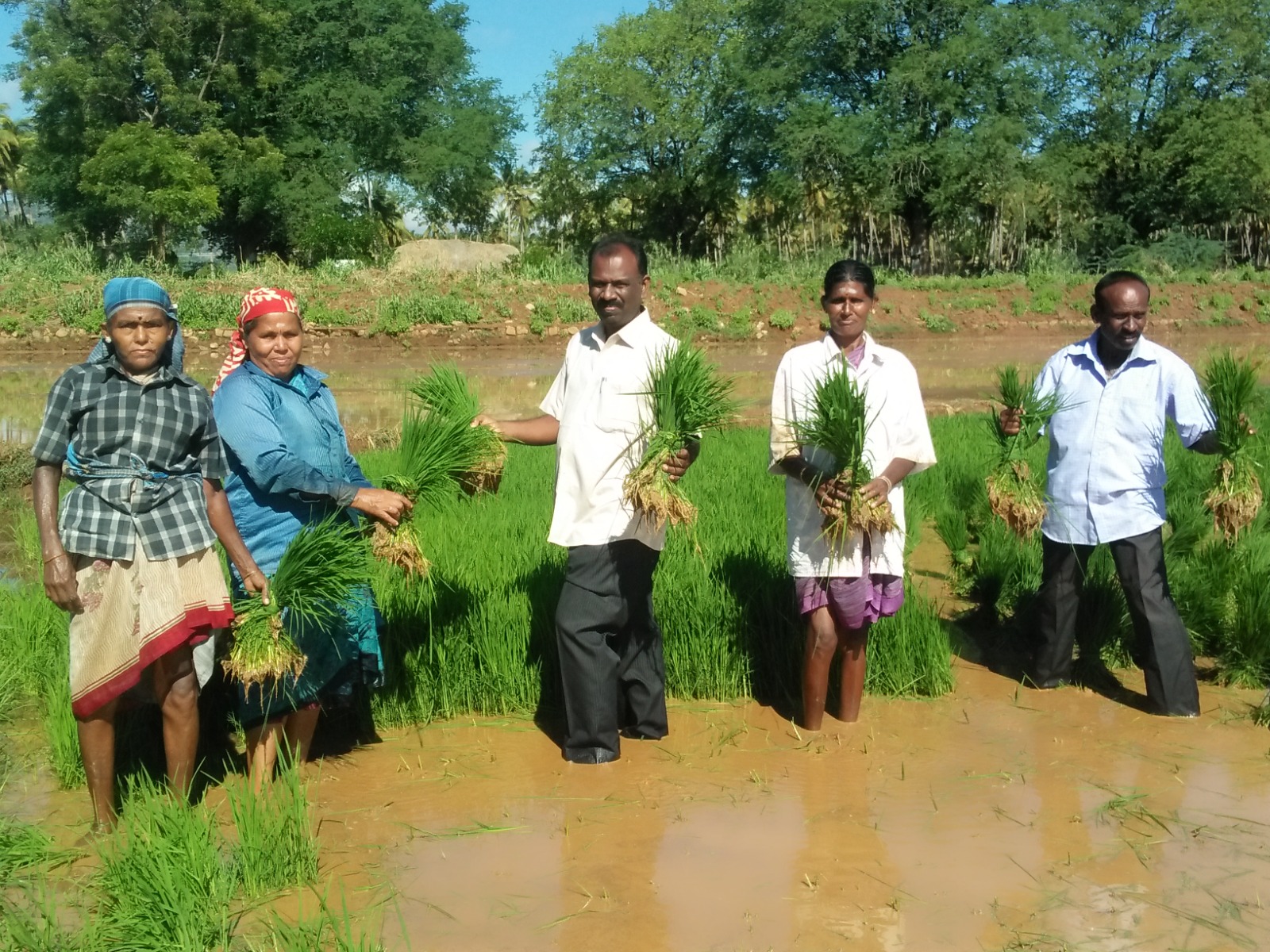
In order to improve the agricultural productivity of the Western Ghats and ensure sustainable marketing of their produce, capacity building for organic farmers, including enhancing their knowledge, skills and resources to improve agricultural practices, livelihoods, low carbon farming and resilience to environmental changes, was carried out through training, group discussions, participatory access to technology and support for sustainable agricultural practices. In addition, training programmes were developed and on-farm demonstrations were given on topics such as sustainable agriculture, water management and climate-smart farming techniques. In addition, farmers were provided with appropriate technologies such as improved seeds, irrigation systems and post-harvest processing equipment, which significantly increased productivity and reduced losses. The training also provided training on practices such as crop diversification and integrated pest management that improve soil health, reduce erosion and improve water use efficiency to approximately 200 farmers in and around western ghats region.
Millets Value Addition Program for Women
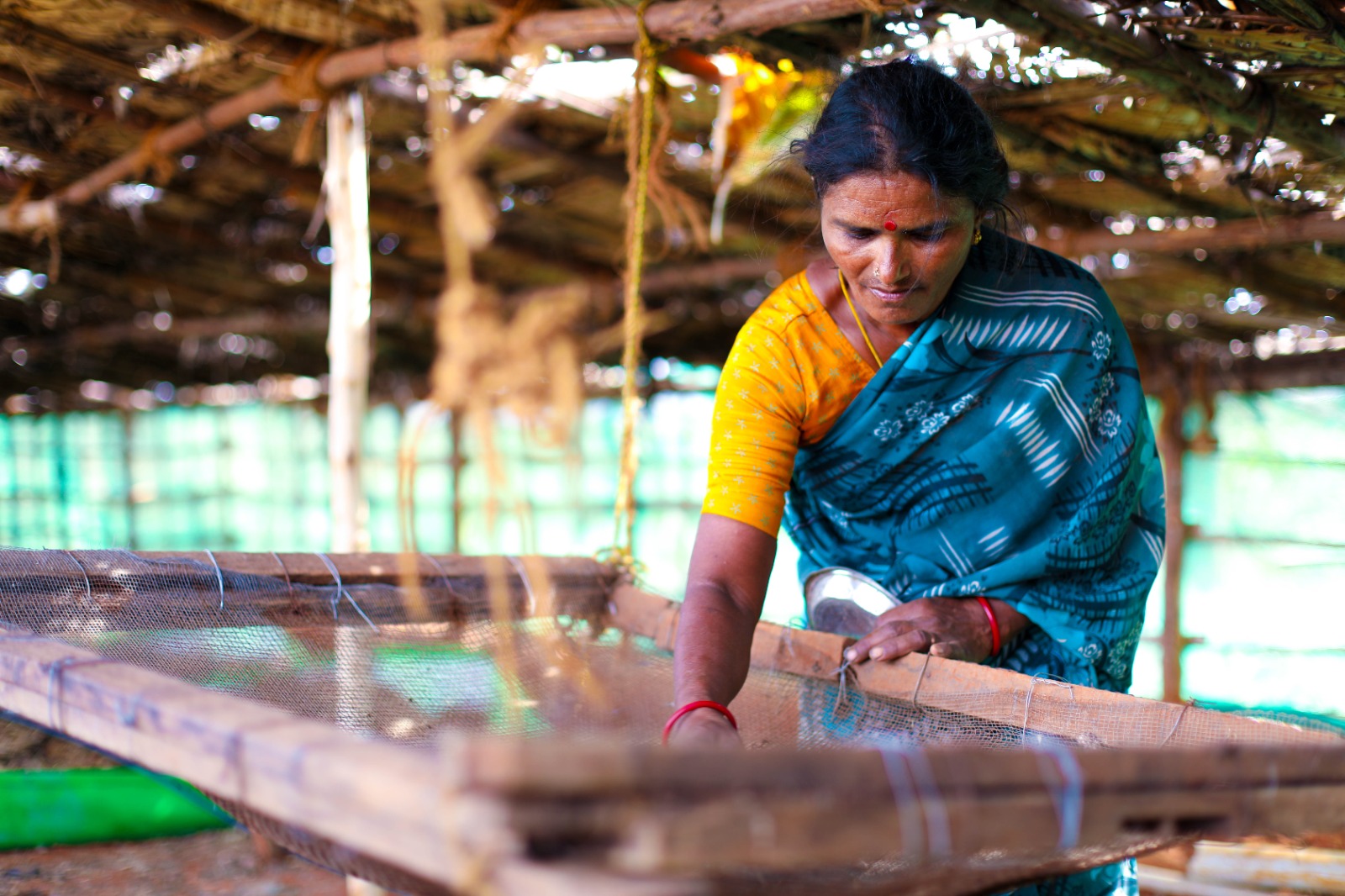
The Millets Value Addition training programme at Sukkanagalpatti aims to process millets into a wide range of products, increase their appeal to consumers, and ultimately increase farmers’ income and employment, as well as increase their nutritional security. The training mainly focused on processing techniques, product development and marketing strategies for nearly 80 women farmers and entrepreneurs, and taught them various processing methods to convert millets into value-added products such as flour, crackers, puffed snacks and ready-to-eat meals.
Product Development
Participants learn to create a variety of products including traditional recipes, baked goods, pasta and innovative snacks.
Marketing and Branding
The training covered aspects of branding, packaging and marketing strategies to effectively reach consumers and create a market for millet-based products. Through this training, farmers have become entrepreneurs by improving their skills and knowledge to start their own millet-based businesses.
Skill Training to farming Women in Natural Farming
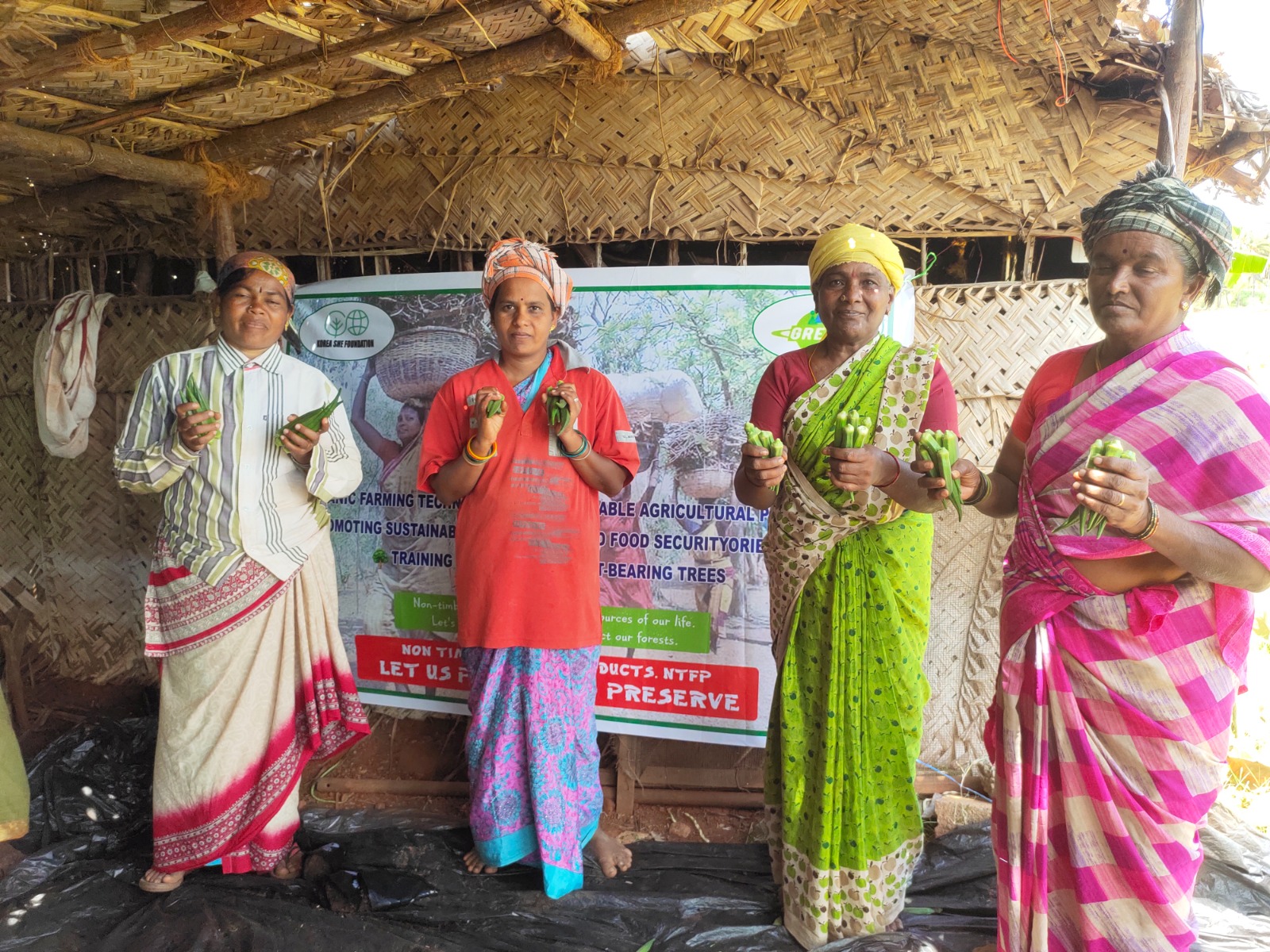
Skills Training for Women in Natural farming, focused on developing knowledge and practical skills for women to improve their agricultural practices, improve their livelihoods, and contribute to their families. The training mostly covered topics ranging from sustainable farming techniques and livestock management to agribusiness and marketing strategies. A detailed description of the benefits and types of skills training is also provided.
Benefits of Skills Training
Women were trained to help them increase their agricultural production, improve the quality of their produce, and market their products more effectively. Ultimately, skills training was provided to empower women in agriculture, improve their livelihoods, and contribute to sustainable agricultural development. By providing women with the necessary skills and knowledge, this training will transform rural women’s communities and promote gender equality.
Staff In-Service Programme
The 17 employees who have been associated with GREEN for many years and are actively working on their jobs were given refresher training to update them on the latest developments and to improve the skills, knowledge and overall competence of the employees, and to update them with new technologies, y standards or regulatory changes.
The main aspects of the training
Improving work efficiency, increasing productivity and improving the quality of services provided by the employees. In addition, the training covered a variety of topics including new technologies, updated procedures, communication skills and specific job-related tasks.
Low Carbon and Micro Farming Methods
In the villages of Theni district in and around Chinnamanur, most of the people depend o n agriculture and livestock for their livelihood. Farmers are trained to focus on technologies and smart solutions, low-carbon farming practices, to reduce greenhouse gas emissions associated with agricultural activities and increase carbon sequestration in soil and plants. These practices aim to create a more sustainable and environmentally friendly food production system. The training was conducted to familiarize them with the techniques of low-carbon farming practices. The training was also organized by experts in organic farming industry on the following topics.
Soil management and reduced or no-till farming
Reducing soil disturbance through reduced or no-till farming methods to maintain soil structure, improve water retention and increase carbon sequestration.
Crop rotation with millets
Rotating different crops to improve soil health, reduce the need for artificial fertilizers and increase carbon storage.
Cover cropping
Rotating different crops to improve soil health, reduce the need for artificial fertilizers and increase carbon storage.
Soil testing and nutrient management
Testing the soil regularly and using the “4Rs” approach to nutrient management (right source, right rate, right time, right place) can improve fertilizer use and reduce emissions.
Fertilization and fertilizer management
Properly managing and applying fertilizers can reduce methane emissions and improve soil fertility.
Agroforestry
Integrating trees into agricultural systems to provide shade, improve soil health, and enhance carbon sequestration.
Water management
Improved irrigation efficiency: Implementing practices such as drip irrigation and precision irrigation can reduce water consumption and the energy use associated with irrigation.
Rainwater harvesting
Storing rainwater can provide a stable water source for irrigation, reducing reliance on energy-intensive water sources.
Livestock Management
Optimal Animal Feeds: Improve feed quality and manage livestock diets to reduce methane emissions from enteric fermentation.
Efficient Manure Management
Implement methods such as anaerobic digestion to reduce methane emissions and produce biogas for energy.
Energy Efficiency
Adopt energy-efficient machinery and practices to reduce overall energy consumption on the farm.
Energy Efficient Equipment
Adopt energy-efficient machinery and practices to reduce overall energy consumption on the farm.
Crop Diversification
Growing a variety of crops can help improve resilience to climate change and enhance biodiversity.
Waste Reduction
Implement practices to reduce food waste throughout the supply chain to reduce overall emissions.
Reduced greenhouse gas emissions
How low-carbon agricultural practices directly reduce carbon dioxide, methane, and nitrous oxide emissions, which contributes to mitigating climate change..
Increased carbon sequestration
Practices such as no-till agriculture and agroforestry can improve the carbon storage capacity of soils, helping to remove CO2 from the atmosphere.
Improved soil health
Low-carbon practices often improve soil fertility, water retention, and overall soil health, leading to increased crop yields and resilience.
Improved climate resilience
By diversifying crops and improving soil health, low-carbon agriculture can make farms more resilient to the impacts of climate change.
Economic benefits
Reduced input costs, increased yields, and the potential for carbon credits can lead to improved farm incomes.
Environmental benefits
Farmers were advised that low-carbon agriculture can reduce pollution, improve water quality and enhance biodiversity.
Farmers were advised that low-carbon agriculture can reduce pollution, improve water quality and enhance biodiversity.
Bio-Inputs Production
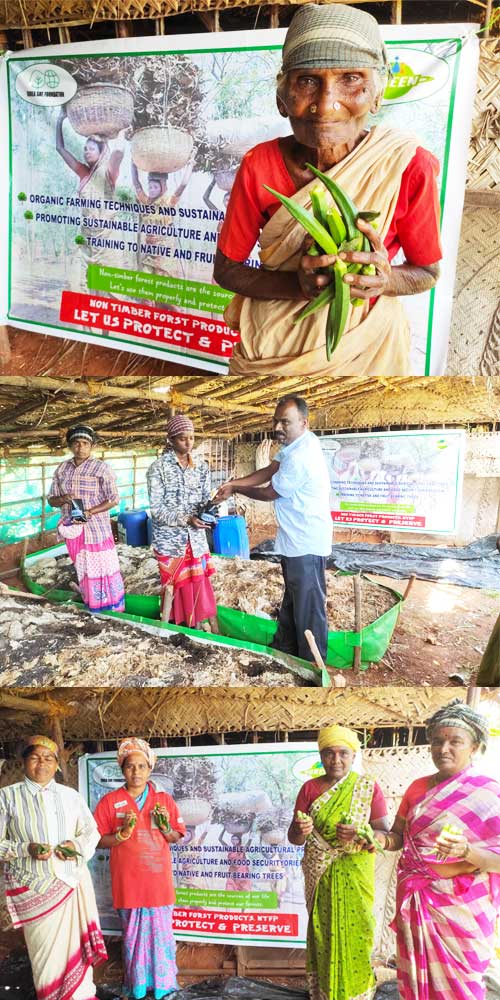
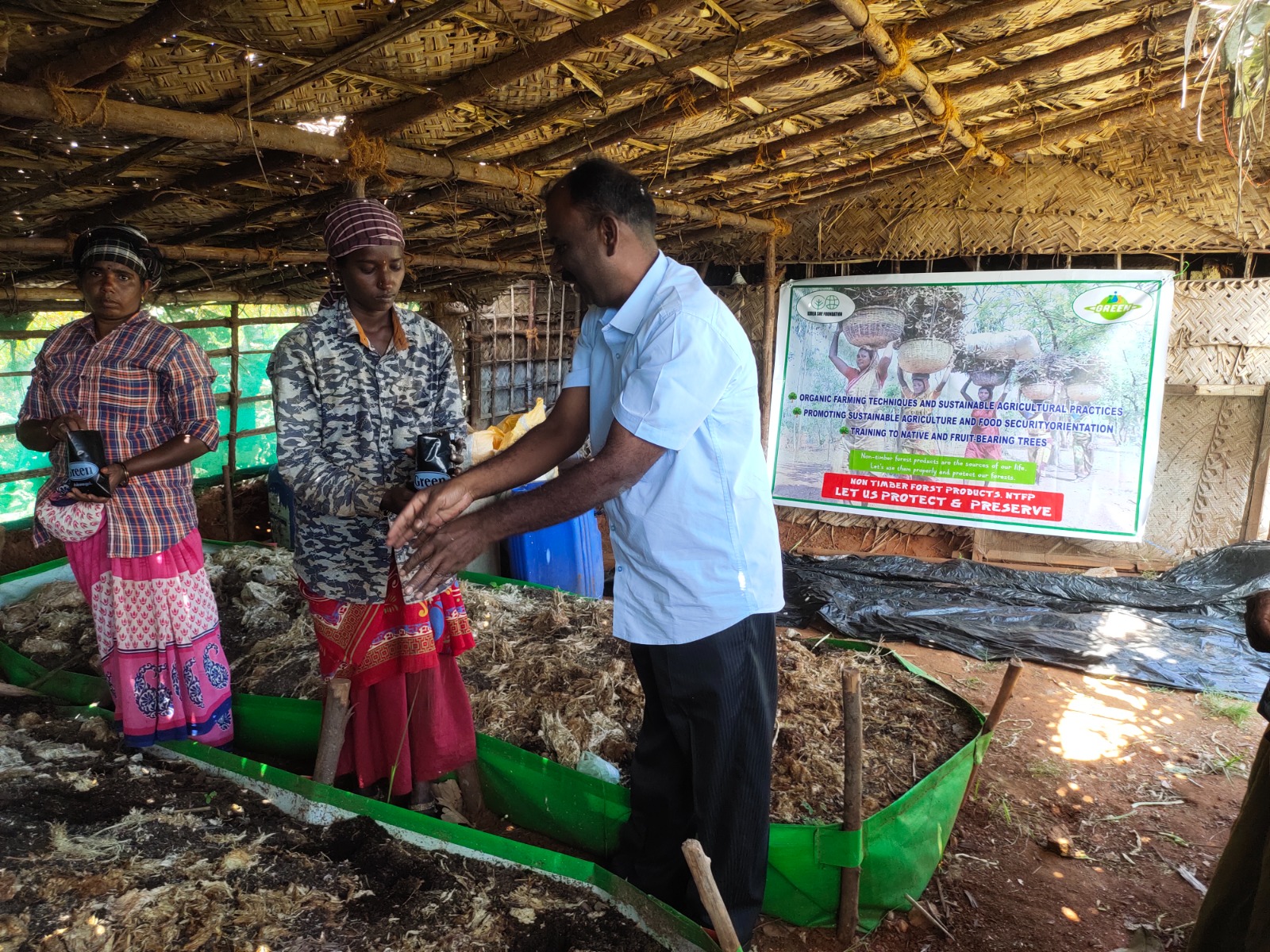
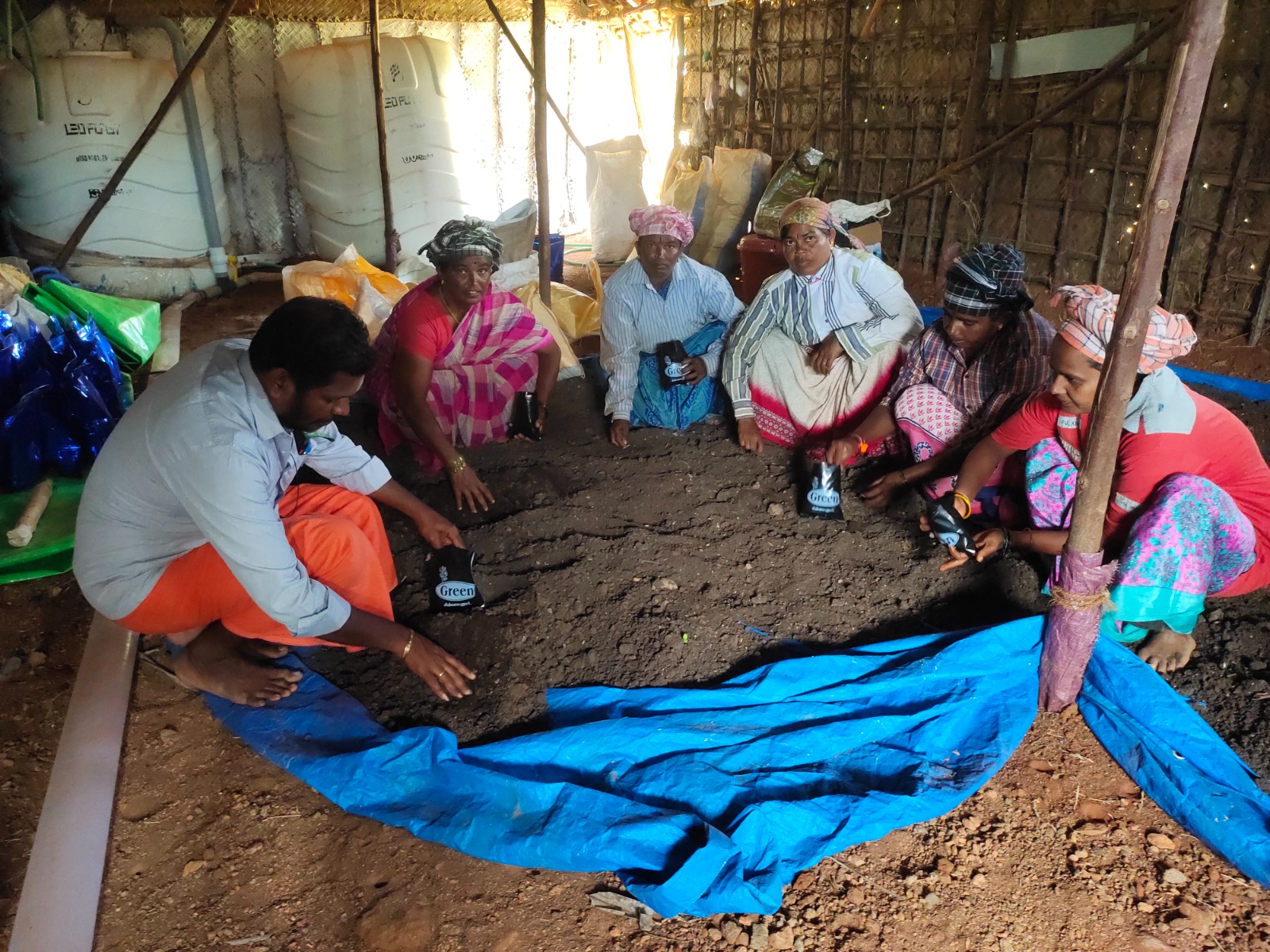
Bio inputs in agriculture refer to biological materials used to improve soil fertility, enhance plant growth and pest control, and provide a sustainable alternative to chemical inputs. These include biofertilizers, bio stimulants, and biopesticides. They improve soil health, promote beneficial microbial activity, and manage pests and diseases through natural means. With an aim to help farmers produce their own microorganisms and earn income from agriculture, demonstration training has been provided to 50 farmers from Odaipatti area, and are currently being used to increase the availability of nutrients in the soil. A training and production centre for Azotobacter, Azospirillum, Phosphate Solubilizing Bacteria (PSB), Potassium Accumulating Biofertilizers, Biostimulants, Biopesticides, Trichoderma Viridae, Organic Farming Inputs, Manure, Compost Tea, Compost and Biochar has been launched.
Establishment of Vermicompost Production at Erasai
Vermicomposting units offer numerous benefits including creating nutrient-rich compost, improving soil health and promoting sustainable waste management. The vermicompost produced by earthworms improves soil structure, aeration and water retention, and enriches it with beneficial microorganisms. This process reduces dependence on chemical fertilizers, increases organic farming practices and aims to provide unadulterated, non-toxic food to all. The production demo centre is designed to be visited by farmers, school students, volunteers and women's groups and set up their own production centres.
EDP Training on Small Millets Production and Promotion
Globalization has its adverse impact on the health of people, including rural masses. It is basically due to change in food habits. Since the introduction of Green Revolution, we have lost the native seeds and given up organic farming methods. As a result, farmers have lost the fertility of their lands and also a steady income. The consumption of modern agricultural items has worsened the health of many people.
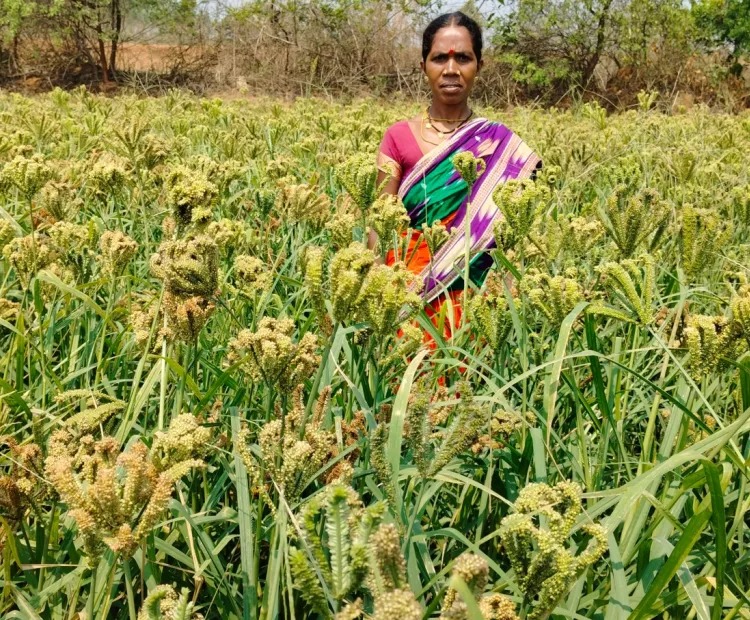
Having diagnosed the adverse impact of modern cultivation methods, GREEN has taken steps to preserve native seeds, especially of pulses and cereals, and promoted organic farming in dry lands. We promoted cultivation of small millets among small and marginal farmers having dry lands.
To accomplish this noble task, GREEN organised an Entrepreneurship Development Training program on the subject of Cultivation and Production of Small Millets. It invited small and marginal farmers as participants. Over 135 farmers and members from women SHGs participated.
This EDP Training motivated the participants to create awareness among public to understand the natural value and nutrient potential of native pulses and cereals. It also encouraged them to use these millets in making variety of food stuffs.
Experts from Iyarkai Velan Inayam (Tamilnadu Natural Farmer Association) promoted by (late) Shri. Nammalvar, provided technical support and guest lecturers during the training process.
Farmers Development Training
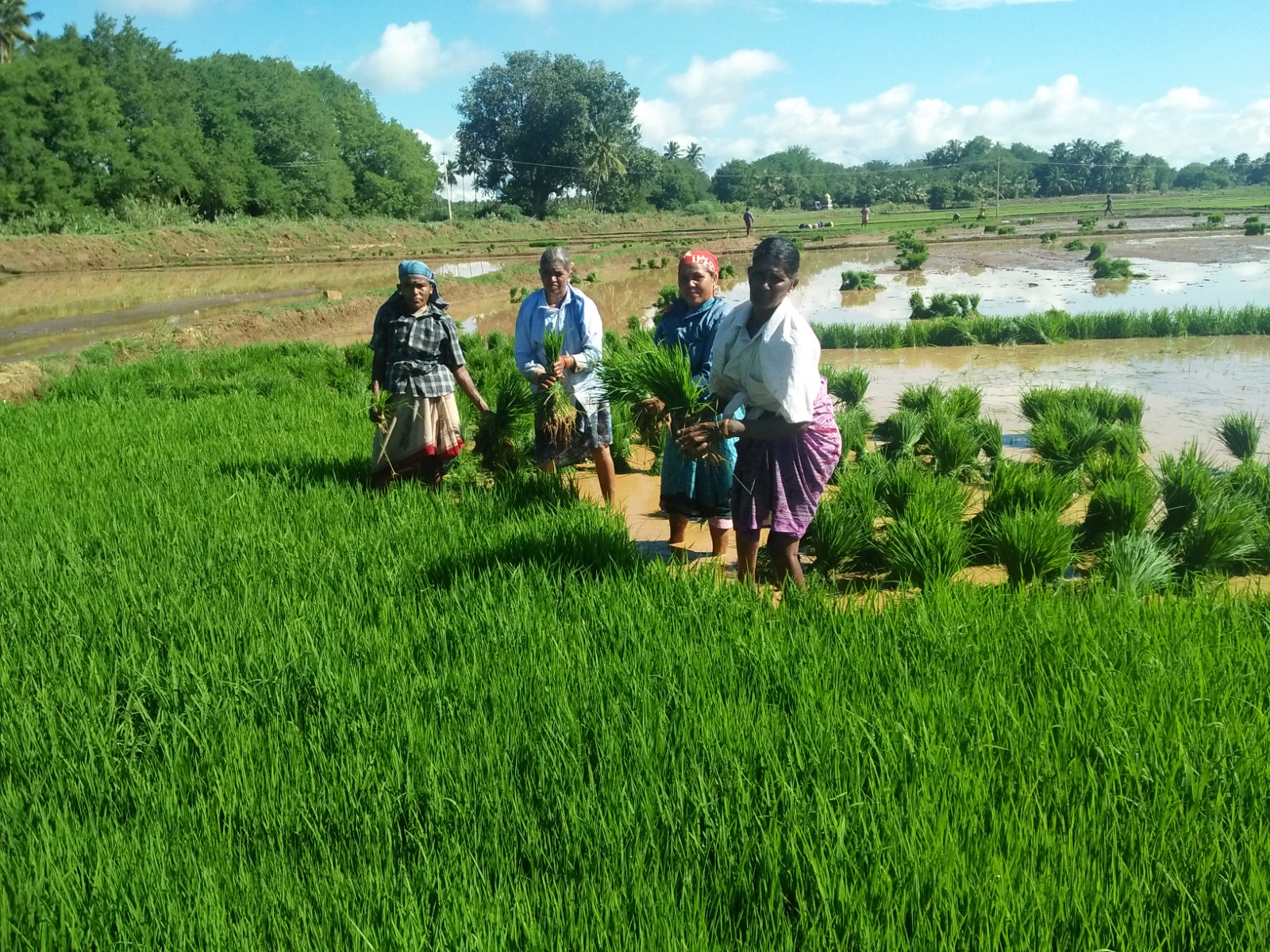
GREEN organised a training program for small and marginal farmers on agriculture promotion in dry lands. We trained 76 farmers and motivated them to adopt organic farming techniques in their dry lands. We promoted horticultural processes in their lands as part of agro-forestry initiative.