Endogenous Tourism
Tourism is one of the major priority sectors for driving employment generation in our country, mainly because of our ability to maximize the productivity of country’s natural, human, technical and cultural resources. Endogenous or transformative tourism means travel both domestic and international-not for pleasure alone but also for broadening the horizons of tourists-where the source of attraction comes from “within” the host society or region. It encompasses cultural tourism, craft tourism and eco-tourism and all sustainable forms that value and celebrate the biological diversity and natural resources of the country.
The approach “resonates with the overarching goals of the United Nations system in India- to work towards the promotion of sustainable human development and the elimination of poverty and inequalities-as well as the UNDP global mandate to establish partnerships to fight poverty”. The Endogenous Tourism is purely pro-poor, pro-environment and pro-community.
The Endogenous Tourism Project thus aims at developing strong community-private partnerships. As part of UNDP's Sustainable Livelihoods theme, the Endogenous Tourism approach will initiate and build upon community-level initiatives to address issues of poverty. By group mobilization, built around locally owned income-generating activities, the Project will also attempt up gradation of skills and open up access to credit and resource-support. The new tourism models promoted by the Endogenous Tourism Project will be community-owned, culturally expressive and environmentally sustainable. The Project will thereby develop a new Indian brand of tourism based on the rural lifestyle experience.
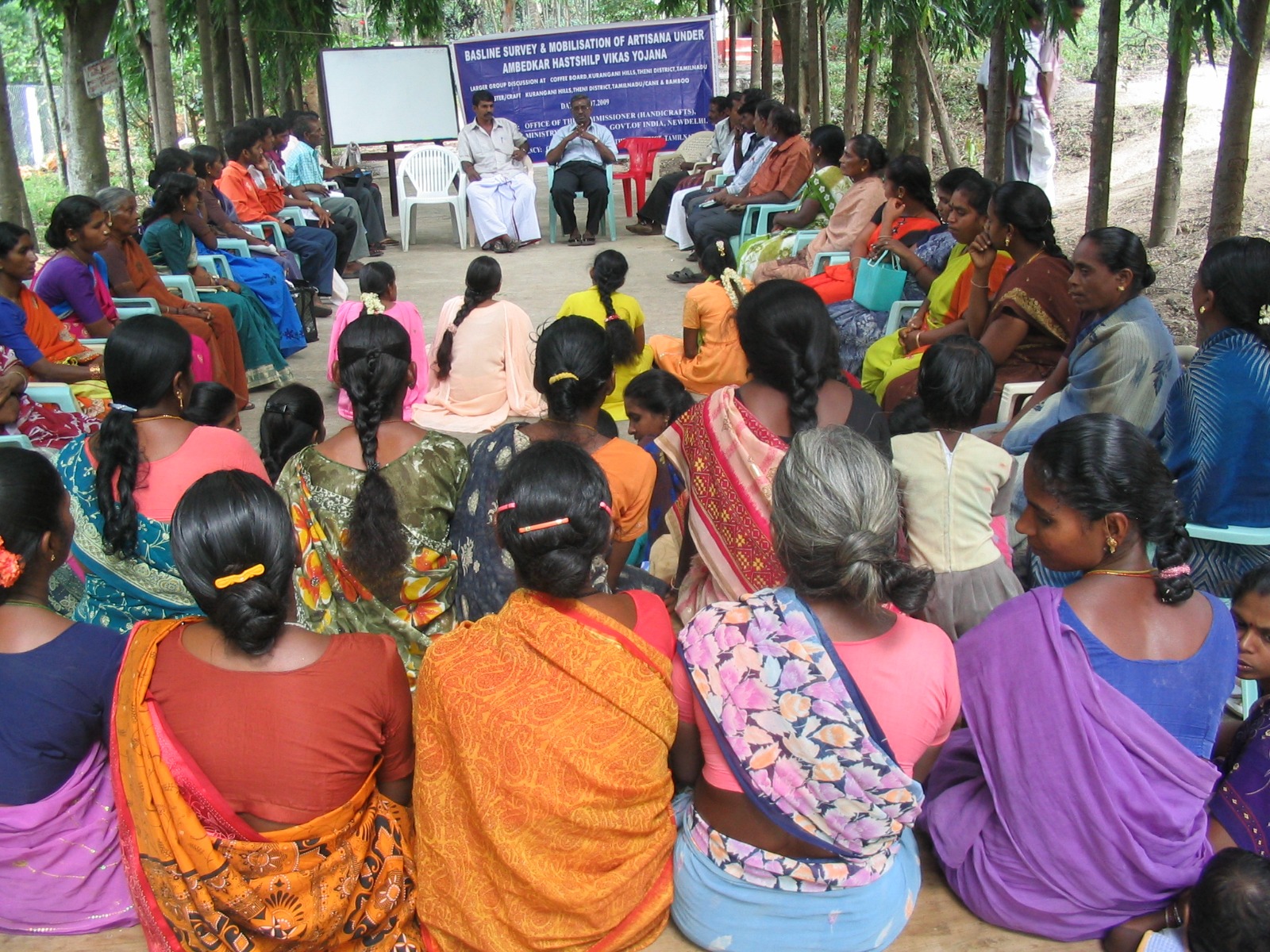
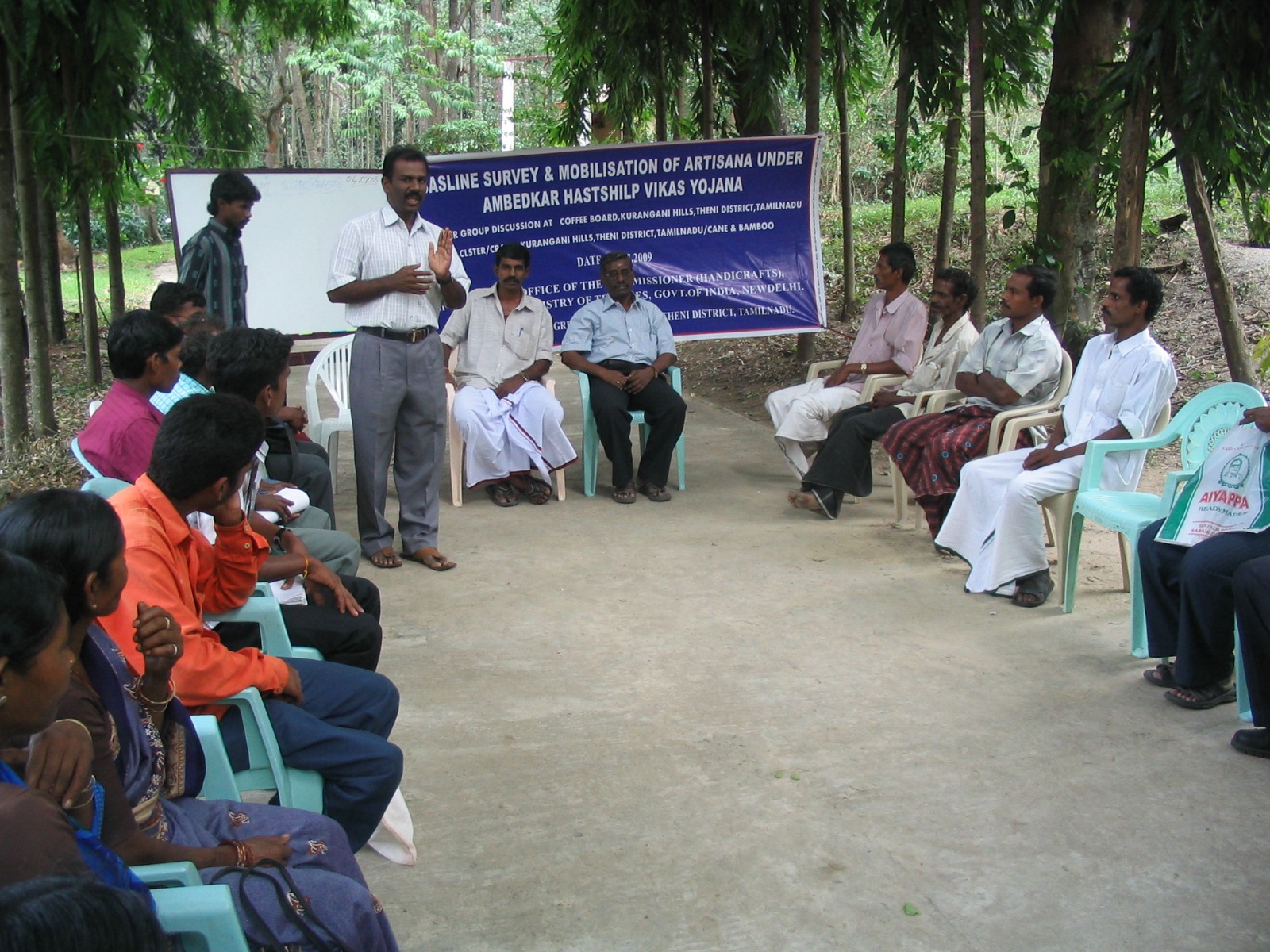
The Project is implemented at a crucial time when the biodiversity of the Western Ghats is threatened. With this objective in mind, the base line survey was carried by the GREEN, in Kurangani
It has been implemented the UNDP Project focusing Endogenous Species Tourism which revealed the organisation’s capacity at more on understanding the environmental and climatic change issues among the hills of the Western Ghats of India.
GREEN have closely worked with the mountain communities and understands that the “Forests” in Erasakkanayakkanur are already under a high degree of environmental stress from the direct effects of climate change and more vulnerable to its indirect effects. The Tropical forests in many parts of the hills are experiencing extraordinary and often unprecedented levels of mortality from insects and disease.
GREEN has recently observed that Vulnerability assessments that encompass terrestrial and aquatic habitat, biodiversity, vegetation management, hydrology, and forest road systems are essential to understanding the potential effects of climate change on forest ecosystems as a whole, and the implications for the range of environmental, economic, and social values and services that forests provide.
Endangered Species
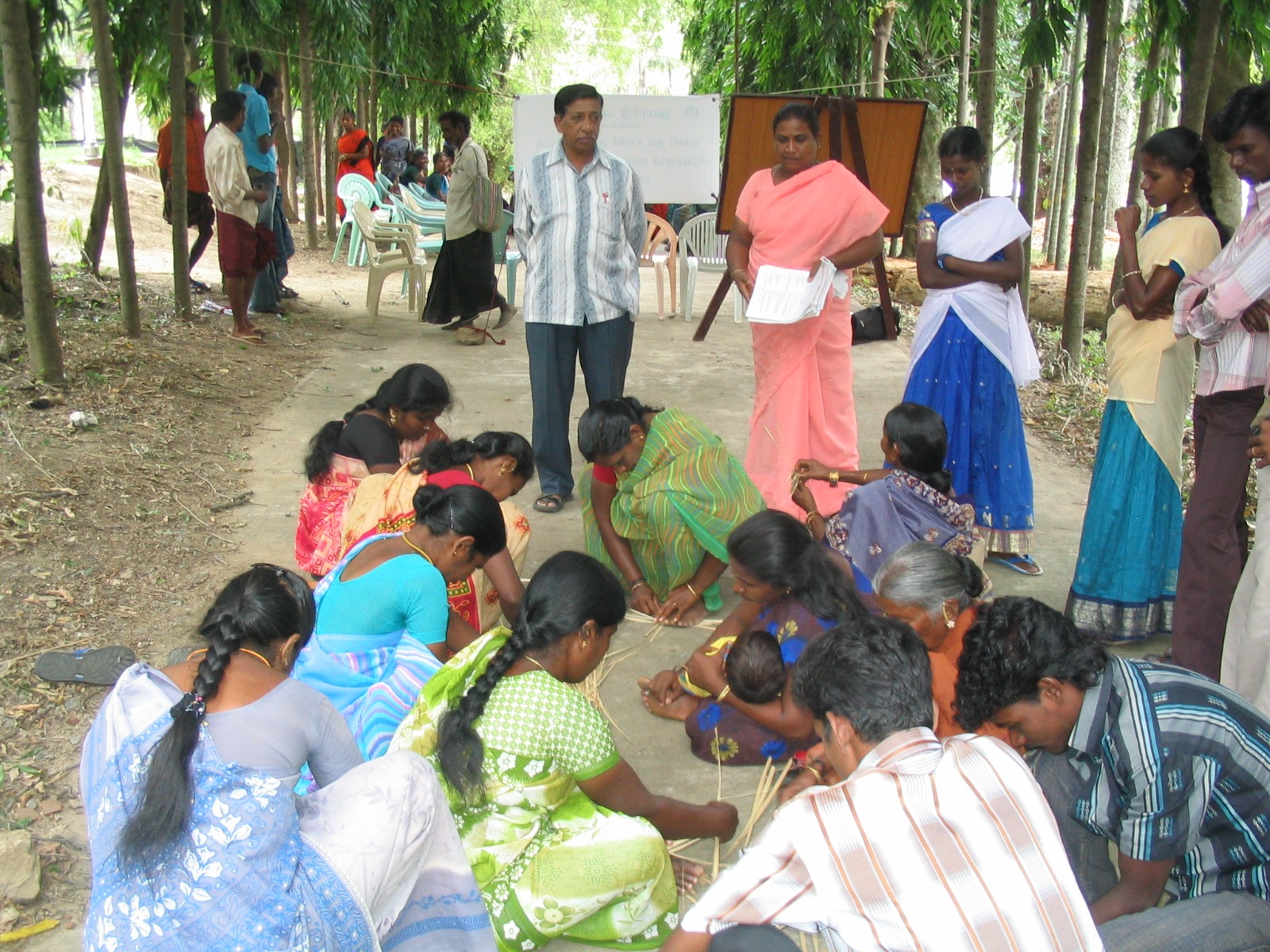
Endogenous Spices Tourism project in Kurangani has facilitated a community based tourism that would sustain, enhance and preserve mountain culture and ecosystem. The project has built the capacity of the local people to sustain the project for ever. Kurangani Spices Promotion Society, a registered body has consideration of potential adaptation and mitigation strategies for climate change. Several Associations and Groups have been formed among the Mountain communities to sustain Spices Tourism in Kurangani. Handicraft items by tribal women have attracted tourists from India and abroad. Marketing of the products has been arranged by State Tourism Department. Native excellence of tribal community has been recognized.
Salient features which will attract tourists in the ETP destination are given below:
- Spices Valley
- Kolukkumalai Tea Estate (The Highest Tea Garden in the World)
- Waterfalls, mountain rivers
- Caves, cloudy peaks and precipitous ledges
- Trekking paths
- View points for a glimpse on the forces of nature.
- Floral and faunal diversity
- Tribal culture and tribal hamlets
- Cardamom, tea and coffee estates.
- Kurangani’ hilly terrain is unexploited and unexplored. Several endemic species are found in the shoal forest near the Central Station. The natural vegetation of this region is replaced by forest plantations.
- The region is popular for its wonderful faunal diversity. Beautiful birds and butterflies can be seen during monsoons. A vast spectrum of birdlife and other biodiversity is found in Central Station, Top Station and in the mountain ledges. The common animals that inhabit this mountainous area are Nillgiri langur, lion tailed macaque, common monkeys (hanuman), Panthers are found in the Central and Top Station.