Conservation and Restoration of Tropical Rain Forests in Theni District
• Environment Awareness Program
While GREEN has been working for the past 36 years to
create environmental awareness in the hill villages of the
southern parts of the Western Ghats, this year we have focused
on understanding the impact of human activities on the natural
world and taking strategies to protect it. Recognizing the
threats to biodiversity and natural resources and the importance of sustainable practices, this year we have worked to encourage individuals and communities to reduce their negative impact, share knowledge, and encourage others to adopt environmentally friendly practices, thereby creating a ripple effect that contributes to a healthier planet.
Study the Impact of Climate Change
Climate change is affecting global temperatures, weather patterns, and sea levels, leading to more frequent and intense extreme weather events, disruptions to ecosystems, and threats to human health and livelihoods. These changes are not uniform, and vulnerable people and regions are experiencing disproportionate impacts. This study was conducted by GREEN and SWEET GRASS FOUNDATION to study these impacts and raise awareness of them to inform mitigation and adaptation strategies.
Impacts on the physical environment
Increasing temperatures: Global average temperatures have increased, and more frequent and intense heat waves are affecting human health and ecosystems.
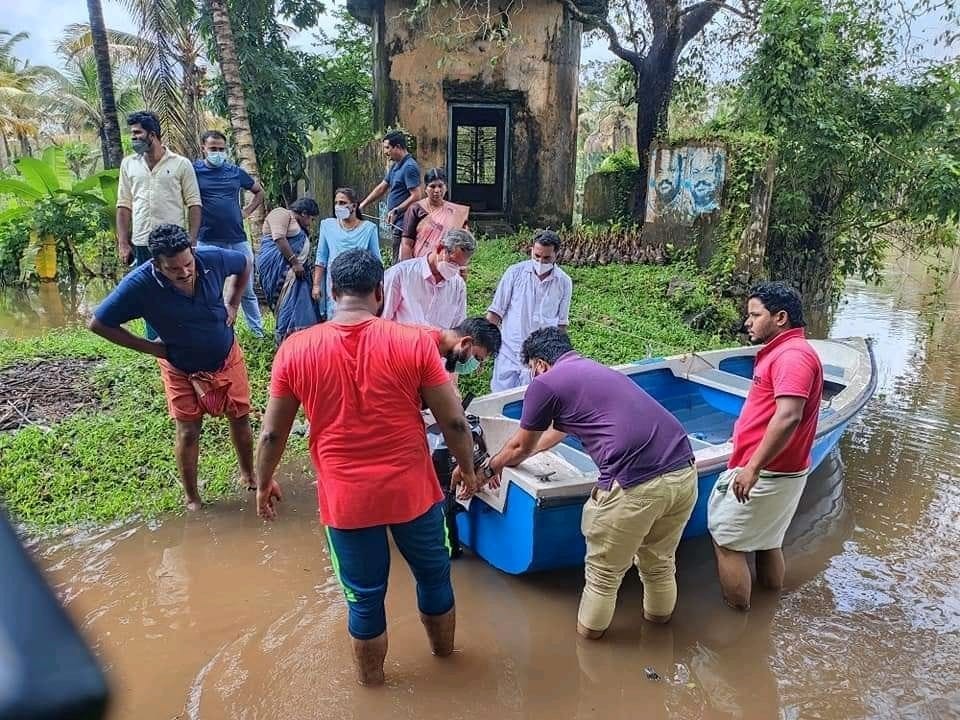
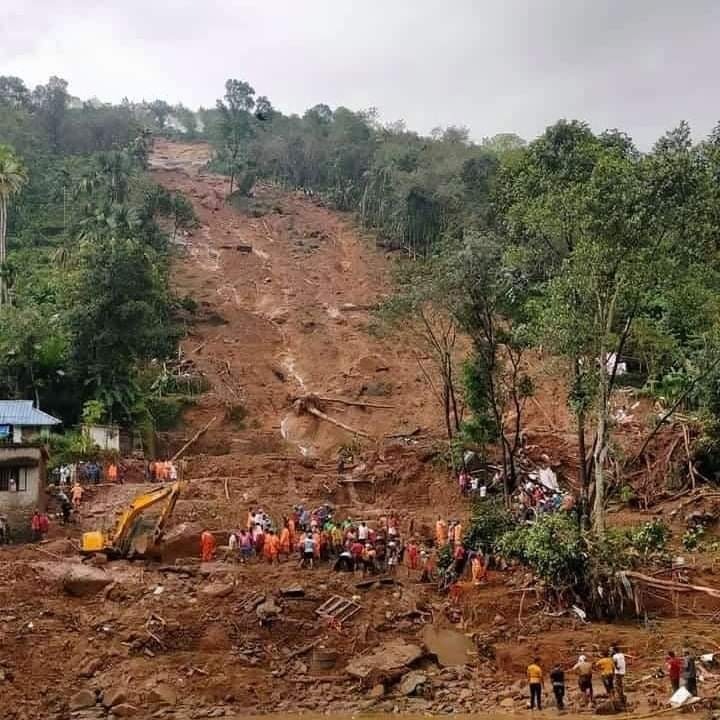
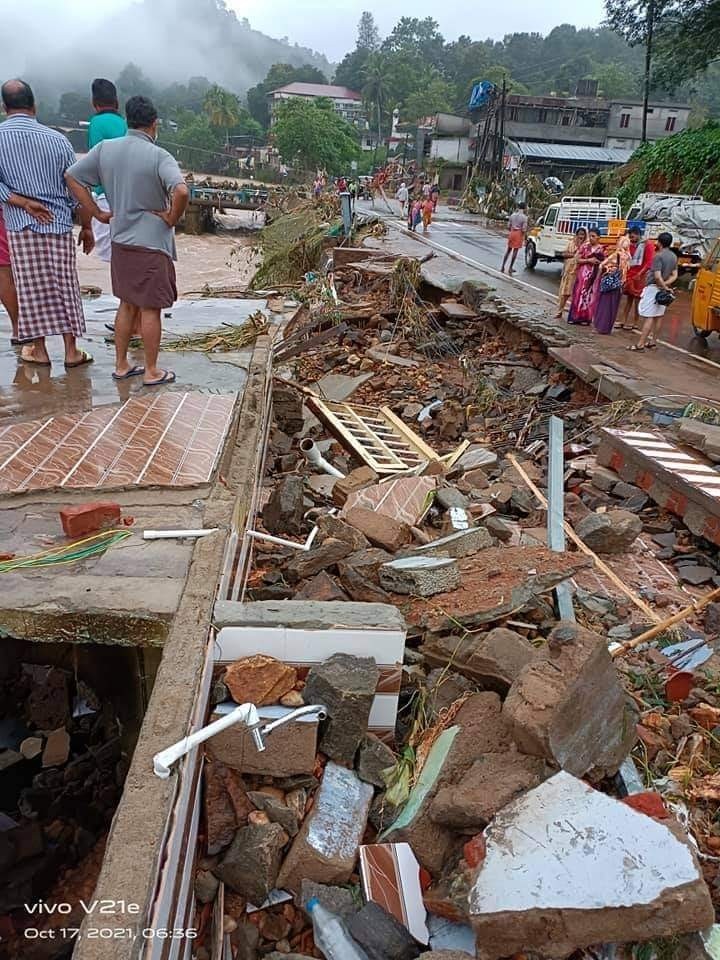
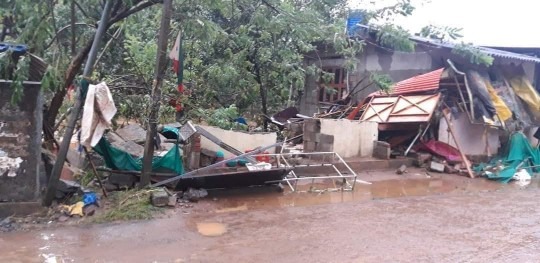
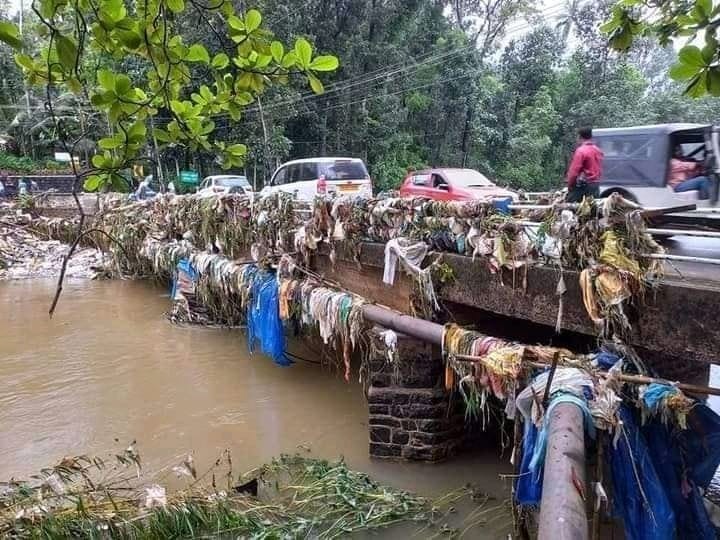
Altered precipitation patterns: Changes in precipitation can lead to droughts in some areas and floods in others, affecting agriculture, water resources, and infrastructure.
Sea level rise: Melting glaciers and ice sheets are causing sea levels to rise, threatening coastal communities and ecosystems.
Extreme weather events: Climate change is increasing the frequency and intensity of extreme weather events such as hurricanes, droughts, and wildfires.
Impacts on ecosystems
Biodiversity loss: Changes in temperature and precipitation are altering habitats, leading to species displacement and potential extinctions.
Ecosystem disruptions: Changes in plant and animal distributions, as well as changes in biotic interactions, can disrupt ecosystem functions.
Ocean acidification and warming
Rising ocean temperatures and increasing carbon dioxide absorption are affecting marine life, including coral reefs and fisheries.
Impacts on human health:
Heat-related illnesses: Warmer temperatures increase the risk of heat stroke, dehydration, and other heat-related illnesses, especially for vulnerable populations.
Respiratory problems: Changes in air quality due to increased smog and pollen can worsen respiratory conditions such as asthma.
Food and water security: Climate change affects agricultural yields and water availability, leading to food and water insecurity in many areas.
Spread of diseases: Changes in temperature and rainfall can affect the spread of diseases transmitted by pathogens such as malaria and dengue fever.
Mental health impacts: Climate change can cause stress, anxiety and other mental health problems, especially in communities experiencing displacement and loss.
Impacts on human communities
Economic losses: Extreme weather events and changes in resource availability can lead to significant economic losses in agriculture, tourism and infrastructure.
Displacement and migration: Climate-related disasters can displace people, leading to increased migration and potential conflict.
Social inequality: Climate change impacts disproportionately affect vulnerable populations, exacerbating existing social and economic inequalities.
Studying Climate Change Impacts:
Data Collection and Analysis: Scientists use a variety of data sources, including historical records, satellite imagery, and climate models, to study climate change and its impacts.
Climate Modeling: Climate models are used to simulate past, present, and future climate conditions, which helps us understand the potential impacts of climate change.
Monitoring and Observation: Continuous monitoring of temperature, precipitation, sea levels, and other climate indicators is essential to monitor changes and assess impacts.
Impact Assessment: The impacts of climate change have been revealed in a variety of sectors, including agriculture, water resources, human health, and ecosystems.